Introduction to Belt Replacement in New Holland Round Balers
Maintaining the belts on a New Holland round baler is a fundamental aspect of ensuring consistent performance and longevity in agricultural operations. As a leading expert in baler technology at Brazil Agricultural Balers Co., Ltd., we recognize that belt replacement is not merely a routine maintenance task but a critical procedure that can significantly impact bale quality, operational efficiency, and overall farm productivity. New Holland round balers, renowned for their durability and innovative designs, rely on high-quality belts to compress forage into uniform cylindrical bales. Over time, these belts endure substantial wear from friction, environmental exposure, and heavy loads, necessitating periodic replacement to prevent breakdowns during peak harvesting seasons.
This detailed guide provides a comprehensive, step-by-step approach to changing round baler belts on various New Holland models, drawing from industry best practices and real-world experiences. Whether you operate a classic 644 or a modern Roll-Belt series like the BR7060, understanding the process can save time, reduce costs, and minimize downtime. At Brazil Agricultural Balers Co., Ltd., while we specialize in our own robust baler solutions, we appreciate the widespread use of New Holland equipment and aim to offer valuable insights that enhance your farming experience. By following this guide, you will gain the confidence to perform belt replacements effectively, ensuring your baler continues to deliver optimal results.
The importance of timely belt maintenance cannot be overstated. Worn belts can lead to uneven bale formation, increased slippage, or complete operational failure, resulting in lost time and potential crop spoilage. In regions with intensive hay or silage production, such as the Midwest United States or the vast farmlands of Brazil, reliable baler performance is essential for economic viability. This article will cover everything from identifying when belts need replacement to post-installation checks, incorporating safety protocols and troubleshooting tips. Our expertise, honed through years of designing and manufacturing balers, ensures that the advice provided is both practical and insightful, helping you maintain your equipment at peak condition.
Understanding New Holland Round Baler Belts
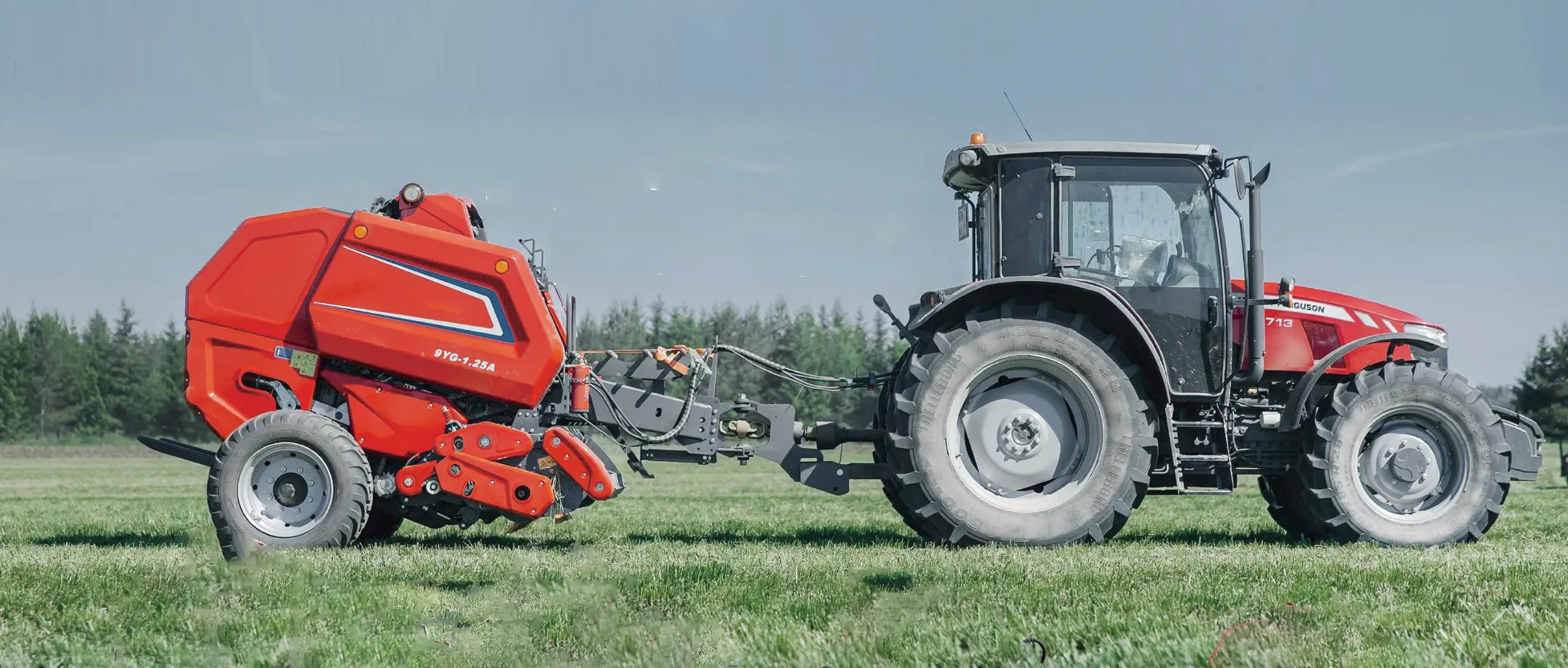
Before diving into the replacement process, it is crucial to have a solid grasp of the belts used in New Holland round balers. These components are the backbone of the baling chamber, responsible for shaping and compressing the forage material.
Types of Belts in New Holland Balers
New Holland round balers typically employ laced or endless belts, each with distinct characteristics suited to different models and applications. Laced belts, common in models like the BR7060 or 644, feature splices that allow for easier installation and individual replacement. These splices can be clipper-style, alligator, or Mato fasteners, which provide secure connections while permitting flexibility during operation. The laced design is particularly advantageous for field repairs, as it enables operators to replace a single damaged belt without dismantling the entire system.
Endless belts, on the other hand, are seamless loops installed at the factory and are found in some high-capacity models. They offer superior strength and reduced risk of splice failure but require more extensive disassembly for replacement, often involving the removal of multiple rollers. This type is ideal for heavy-duty use where minimal maintenance interruptions are desired, though it demands specialized tools and expertise for changes.
In terms of construction, belts are available in 2-ply or 3-ply configurations. The 3-ply belts, with an additional layer of reinforcement, provide better tracking and durability, especially for lighter bales or in challenging terrains. Materials often include synthetic rubber reinforced with Kevlar or similar fibers for enhanced resistance to tearing and stretching. At Brazil Agricultural Balers Co., Ltd., we produce comparable high-quality belts for our balers, emphasizing weather-resistant compounds that withstand UV exposure and moisture, common issues in tropical climates like those in Brazil.
Understanding the specific belt type for your New Holland model is essential. For instance, the Roll-Belt 450 series uses variable-chamber belts that expand during baling, requiring precise length matching to avoid operational imbalances. Consulting your baler’s manual or a dealer for exact specifications ensures compatibility and optimal performance.
Signs That Belts Need Replacement
Recognizing the indicators of belt wear is key to proactive maintenance. Visual cues include cracking, fraying, or glazing on the belt surface, which signal material degradation from prolonged exposure to sun, rain, or abrasive crops. Uneven wear patterns may indicate misalignment or tension issues, leading to poor bale density.
Operational symptoms are equally telling. If bales are forming loosely or the baler experiences frequent slippage, the belts may have stretched beyond their effective length. Excessive noise or vibration during operation often points to worn splices or damaged plies. In quantitative terms, belts that have processed 3,000 to 5,000 bales typically require inspection, though this varies by usage intensity and environmental factors.
Regular checks during off-seasons can prevent mid-harvest failures. Measure belt lengths against manufacturer specifications; a variance of more than 1 inch can cause tracking problems. Additionally, inspect for embedded debris or chemical residues from fertilizers, which accelerate deterioration. By addressing these signs early, farmers can avoid costly repairs and maintain consistent bale quality, a principle we emphasize in our baler designs at Brazil Agricultural Balers Co., Ltd.
The Role of Belts in Baler Performance
Belts are integral to the baler’s core function, driving the compression process that transforms loose forage into dense bales. In variable-chamber models, they adjust dynamically to bale size, ensuring uniform pressure. Fixed-chamber designs rely on consistent belt tension for reliable ejection.
Beyond mechanics, belt condition affects fuel efficiency and tractor load. Worn belts increase resistance, demanding more power and potentially straining the PTO system. High-quality replacements, like those with mini rough top textures, enhance grip on slippery crops such as wet silage, improving overall efficiency.
In sustainable farming contexts, well-maintained belts contribute to reduced waste by producing tighter bales that preserve nutritional value longer. This aligns with global trends toward resource optimization, where equipment reliability supports environmental goals like minimizing field passes and emissions.
Preparation for Belt Replacement
Proper preparation sets the stage for a successful belt change, minimizing risks and ensuring a smooth procedure.
Tools and Materials Required
A comprehensive toolkit is indispensable. Essential items include a clipper lacing tool or vise-mounted lacer for splicing, such as the Apache Belt Vise Lacer, which costs around $250-$350. A sturdy 8-inch vise and a 24-inch cheater pipe provide leverage for crimping hooks.
Other tools: Pry bars for loosening stuck material, cutting tools for trimming belts, measuring tape for length verification, and pins or bolts (e.g., 7/8-inch) for tension relief. Safety gear comprises gloves, eye protection, and sturdy boots. Materials include replacement belts (pre-made laced preferred), lacing kits with Clipper hooks, and lubricants for rollers.
For endless belts, additional disassembly tools like socket sets and torque wrenches are needed to remove rollers. Sourcing from reputable suppliers like WCCO or Usbalerbelts.com ensures quality; expect costs of $120-$300 per belt depending on model.
At Brazil Agricultural Balers Co., Ltd., we recommend having spares on hand, as our balers are designed for quick swaps with compatible aftermarket parts.
Safety Precautions and Best Practices
Safety is paramount. Always disengage the PTO, shut off the tractor engine, and remove keys before starting. Lock the tailgate in the open position to prevent accidental closure.
Work on level ground to avoid slips, and use chocks on wheels for stability. When engaging the PTO during installation, run at idle speed with an assistant monitoring. Avoid loose clothing that could entangle in moving parts.
Environmental considerations include proper disposal of old belts to comply with recycling regulations. Document the process for warranty purposes, and consult the New Holland manual for model-specific warnings.
Gathering Resources and Planning
Review the service manual for your model, available from New Holland dealers or online sources like EPCatalogs.com. Plan during off-peak times to avoid rush.
Consider enlisting help for heavy lifting, and budget for potential bearing replacements while accessing internals. This proactive planning enhances efficiency and safety.
Step-by-Step Guide to Changing Belts on New Holland Round Balers
Follow this detailed sequence for effective replacement, adaptable to most New Holland models.
Relieving Belt Tension
Begin by opening the tailgate halfway. Locate the tension release hole on the tension arm or frame. Insert a 7/8-inch pin or bolt into the hole, then slowly close the tailgate to transfer tension to the pin, slackening the belts.
For models like the 640 or BR750, this method safely decompresses the system. Verify all belts are loose by manual rotation before proceeding. If hydraulic, relieve pressure via valves.
This step prevents injury from sudden releases and facilitates easy belt removal.
Removing the Old Belts
Inspect and document belt conditions. Cut or remove splices using appropriate tools; for laced belts, unpin the clips.
Pull belts out one at a time, noting direction of travel. Clean the chamber of debris, and inspect rollers and bearings for wear—replace if hot or damaged.
In endless belt models, remove 7-8 rollers using wrenches, a more time-consuming process requiring careful reassembly.
Installing the New Belts
Attach the new belt to the old one’s end using pins in laces, ensuring correct orientation. With tension relieved, engage PTO at idle to pull the new belt through slowly, monitoring progress.
Alternatively, fish the belt manually through the chamber, threading over rollers. For multiple belts, replace one by one to maintain alignment.
Ensure even spacing and no twists. In variable-chamber models, align with expansion mechanisms.
Splicing and Re-Tensioning the Belts
Trim new belts to match lengths, ensuring square cuts. Crimp splices using the lacer tool and vise, applying even pressure.
Re-tension by removing the pin and closing the tailgate fully. Check tension per manual specs, adjusting if necessary.
Test by running empty to verify tracking and smoothness.
Model-Specific Considerations for New Holland Balers
New Holland’s diverse lineup requires tailored approaches.
Belt Replacement on Classic Models like 644 and 630
These fixed-chamber balers use 6 laced belts. Follow standard tension relief with pin insertion. Replace all for even wear, checking drive rolls.
Procedures for BR Series (e.g., BR7060, BR750)
Variable-chamber designs need precise length matching. Use hydraulic relief; inspect take-up arms to avoid maxing out.
Tips for Roll-Belt Series (450, 460)
Advanced models feature IntelliBale tech; consult digital manuals for sensor calibrations post-replacement.
Common Issues and Troubleshooting During Replacement
Address friction in pulling by lubricating rollers. Fix tracking issues with even lengths. Splice failures stem from improper crimping; re-do if loose.
Bearing problems: Replace if overheated. Consult forums like Haytalk for peer advice.
Post-Replacement Maintenance and Optimization
Break in new belts with smaller bales. Monitor tension regularly, lubricate components. Store baler covered to protect splices.
Rotate belts annually for even wear. Integrate with overall maintenance for longevity.
Ensuring Long-Term Reliability in Your New Holland Baler
Mastering belt replacement empowers efficient operations. While New Holland offers solid equipment, consider our innovations at Brazil Agricultural Balers Co., Ltd. for enhanced durability. Visit agriculturalbalers.com for more resources and products.